Nov 21, 2026

No. 70 Mac Quyet str, Hung Dao Ward, Hai Phong Cty


Information & products
We try harder, your career better
No. 70 Mac Quyet str, Hung Dao Ward, Hai Phong Cty

Vessel was arrested by Indonesia Navy
Updated: Jan 10, 2022 Views 440
Vessel was arrested by Indonesia Navy
We would like to share you 2 cases of accident and the history of accidents is followings:
Case 1:
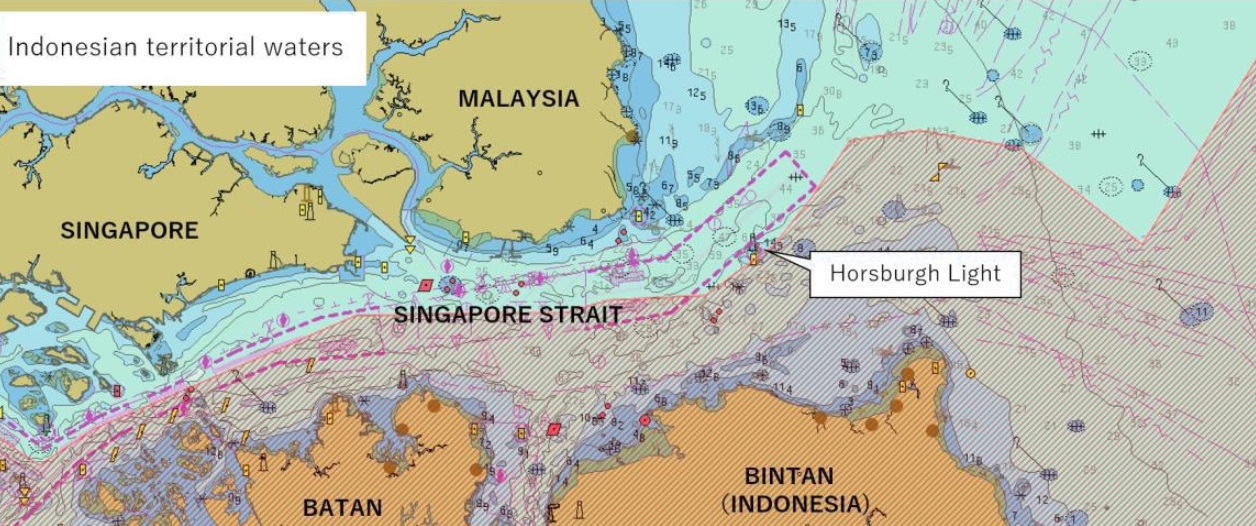
The vessel was sailing from Fremantle to Singapore and then the Vessel was started drifting at position 01°35’.3 N / 105°02’.1 E for adjusting time to pick up the Singapore pilot at Pilot Station.
After the vessel drifted about 11 hours, the vessel was arrested by Navy ship at position 01°-27’.7 N / 105°-01’.2 E and then detained in Batam Port by them.
※Both position are inside of Indonesia territorial waters.
Case 2:
The vessels, anchored near Bintan (on the Southern side of the Singapore Strait), have recently been detained by the Indonesian Navy, Customs and/or Coast Guard on the grounds that the vessels were allegedly anchored without the consent of the Indonesian Authorities.
The area, is a popular place for vessels to “wait for orders” because it is close to shipping lanes and believed to be OPL (Off Port Limits) Singapore. However, these waters are within Indonesian territorial waters where local regulation apply.
Lessons Learned
For preventing reoccurrence similar accident, all fleet vessels should apply following requirement:
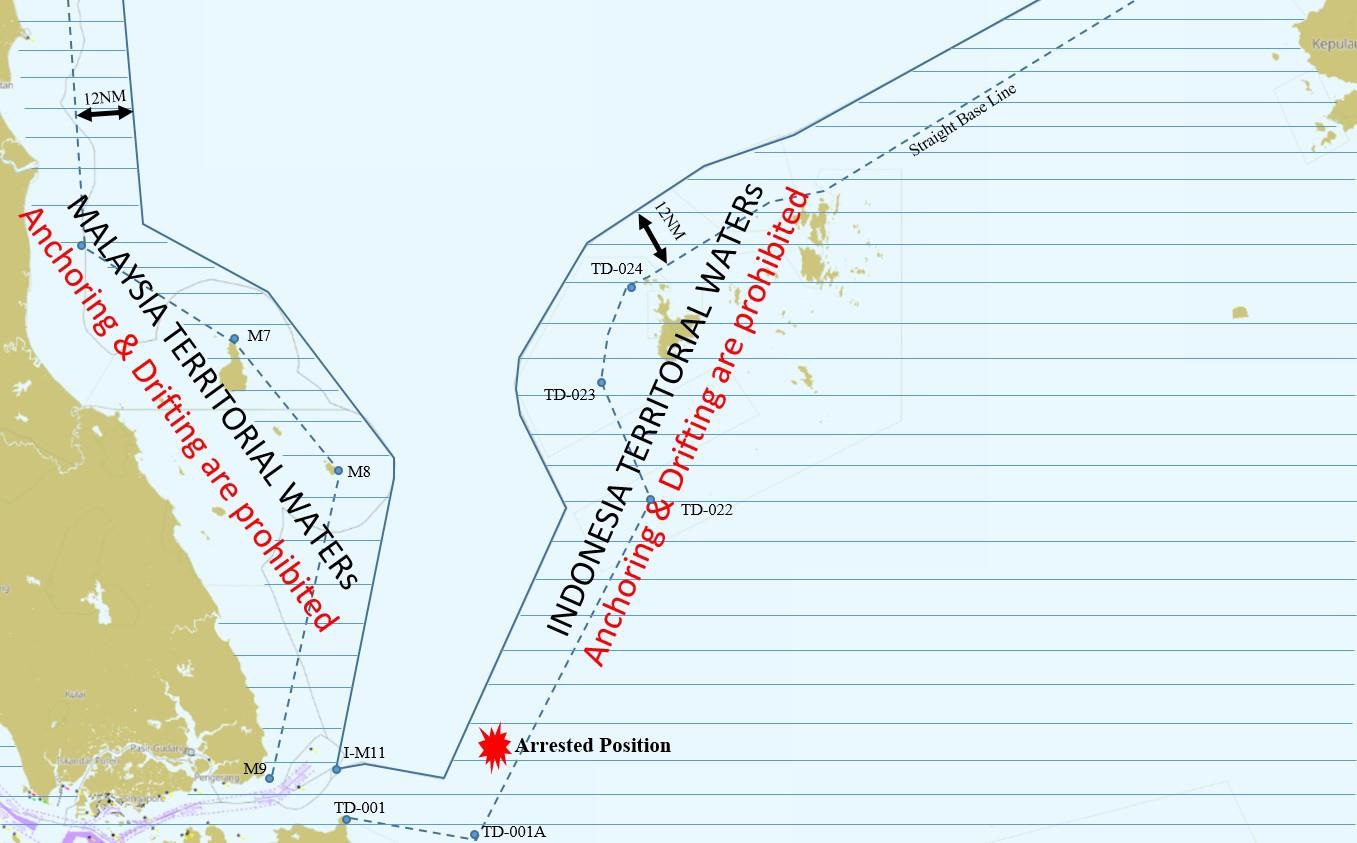
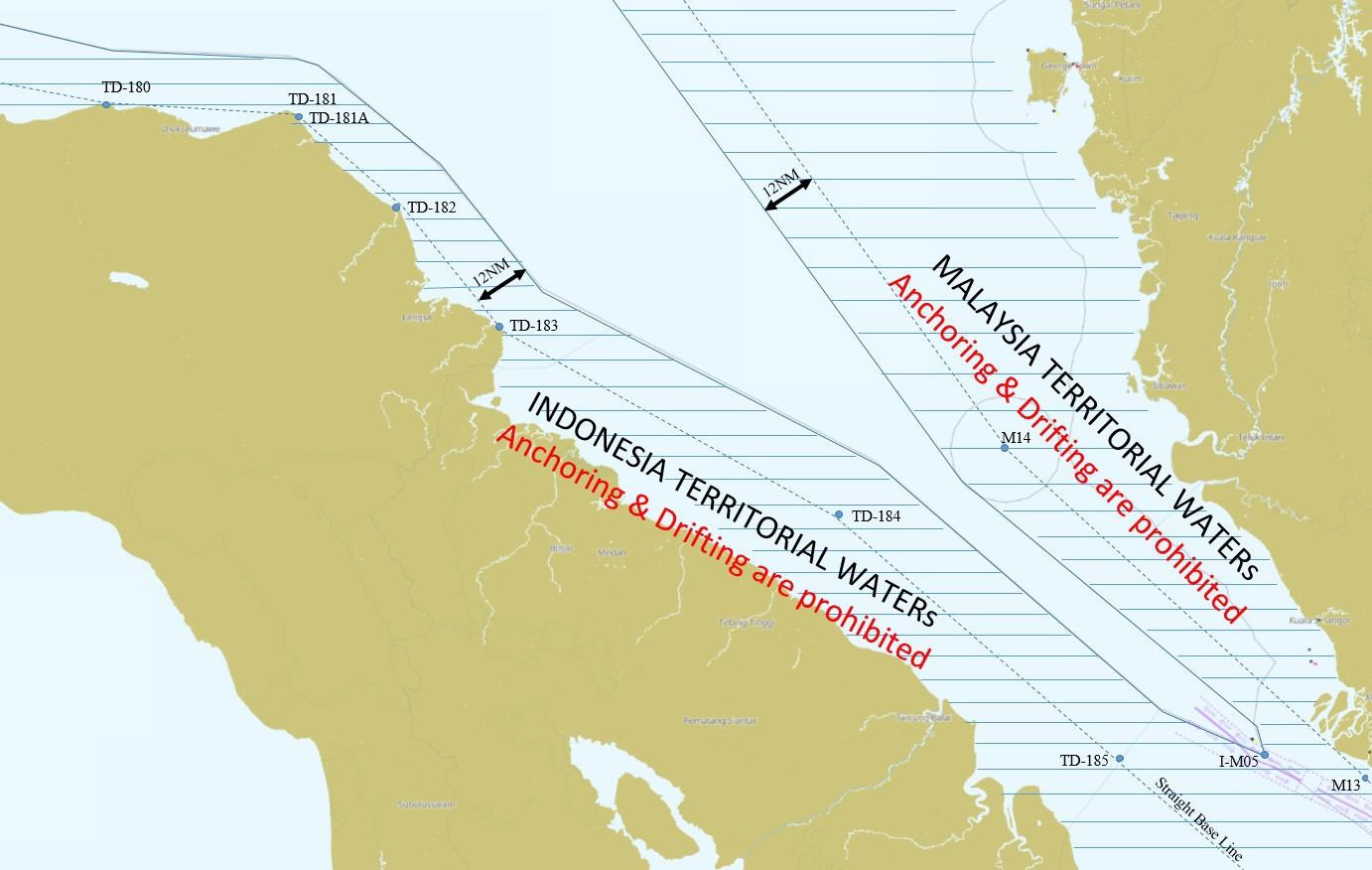
1) Marking the waters that is prohibited for anchoring and drifting nearby Singapore straight.
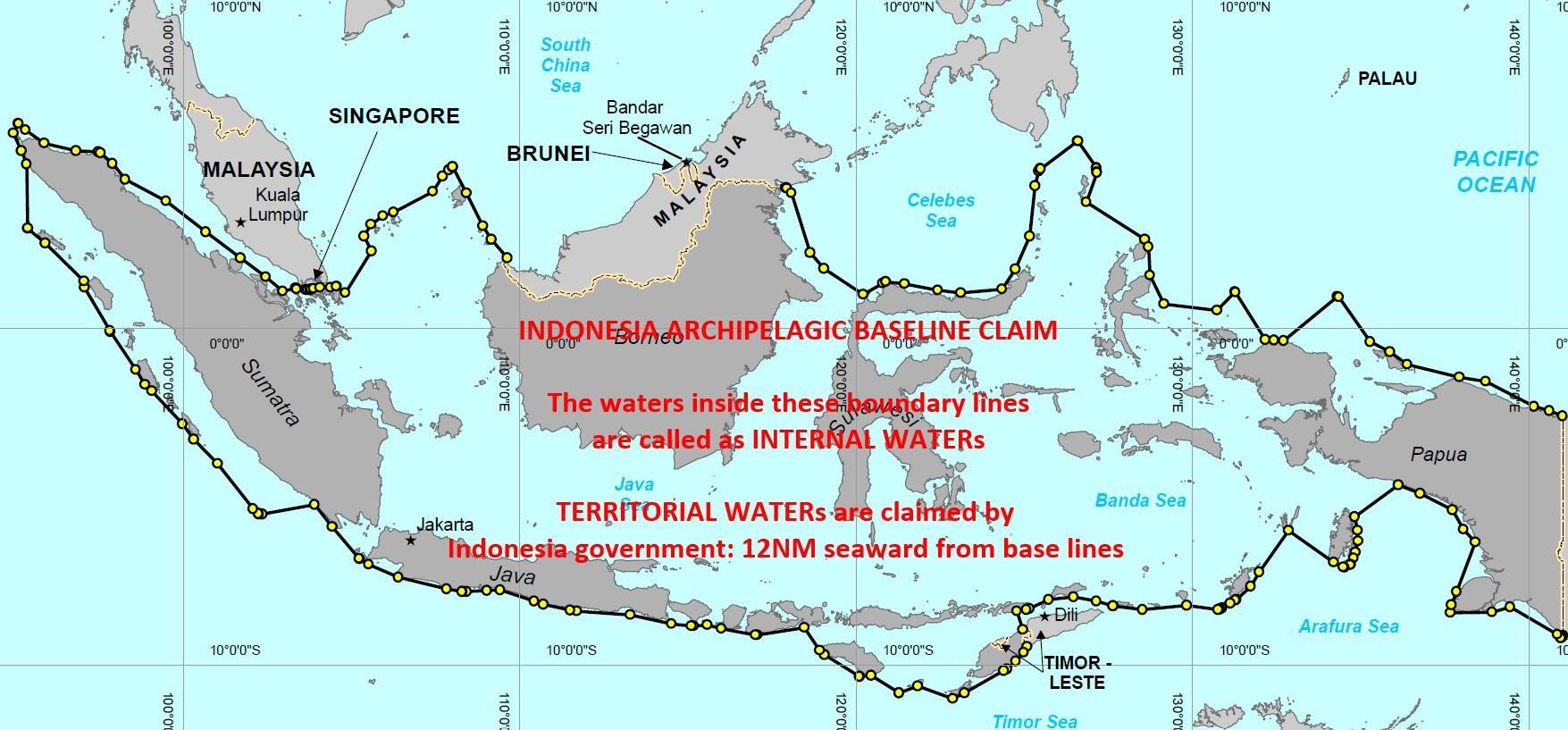
2) When the vessel’s destination is not one port of the coastal country, master of vessel shall keep clear from the territorial seas of coastal country where are within 12NM from nearest land as much as possible.
(For Example)
The vessel sailing from Australia to Laem Chabang, Thailand, vessel shall keep clear territorial seas of coastal countries such as Indonesia, Malaysia, Vietnam, and Cambodia
– keep more than 12NM from nearest land of coastal countries.
3) The Masters of vessels shall make the passage plan to avoid drifting in congested traffic areas – international waters at east side of Singapore straight. Master shall contact with Charterer for consulting if drifting and/ or anchoring are unavoidable.
4) Masters are requested not to anchor or carry out any other operation (Ship to Ship or other cargo or crew operation) in/around Indonesian territorial waters without having approval from the relevant Indonesian Authorities.
5) If the vessels need to do above, masters are requested to appoint a local agent to obtain clearance before operation.
Indonesia archipelagic baselines
Recommend drifting area for waiting Singapore schedule
You might be interested
Updated: Nov 19, 2026
Share
ASSESSING MAIN AIR COMPRESSOR OPERATING CONDITION THROUGH PRESSURE AND TEMPERATURE PARAMETERS
The Main Air Compressor is an essential piece of equipment in a vessel's compressed air system, ensuring a reliable supply of compressed air for main engine starting and other operational requirements. Regular monitoring and evaluation of pressure and temperature parameters play a vital role in identifying early signs of abnormal operation, diagnosing potential faults, and determining appropriate inspection and maintenance measures. In addition, monitoring lubricating oil condition, abnormal noise and vibration, loading and unloading cycles, motor current, and air leakage helps maintain stable and safe operation while improving the overall reliability and efficiency of the vessel's compressed air system.
See more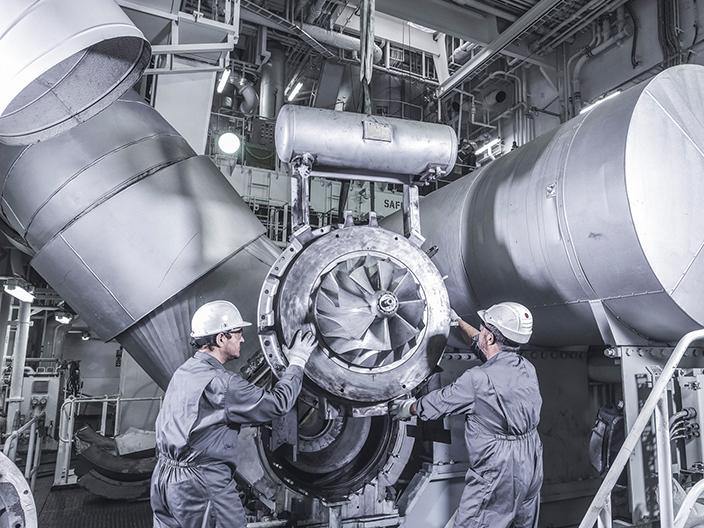
Updated: Oct 21, 2026
Share
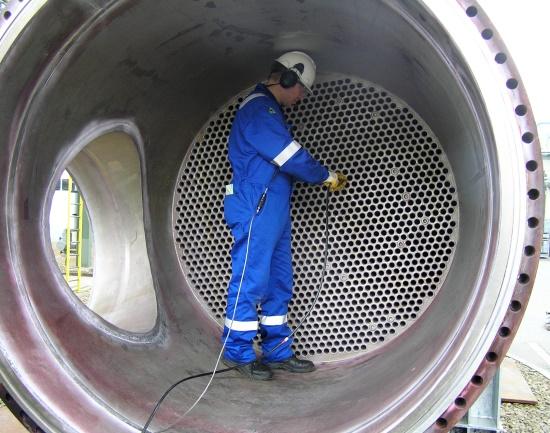
Auxiliary Engine Turbocharger: Measuring Axial and Radial Clearances
See more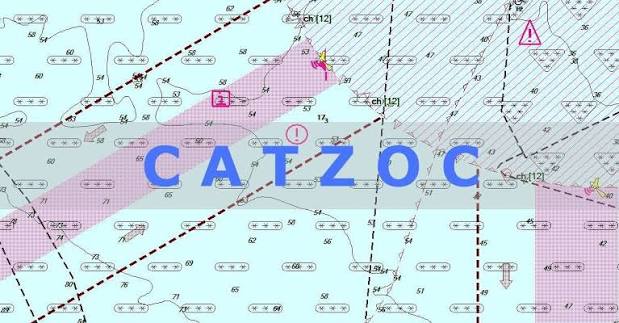
Updated: Oct 02, 2026
Share
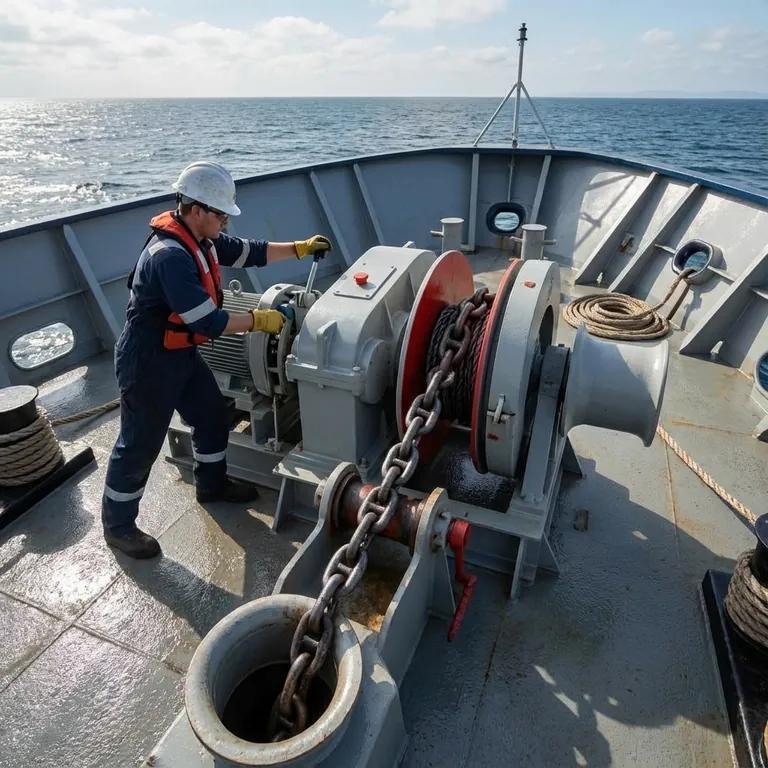
KEY CONSIDERATIONS AND CALCULATIONS BEFORE ANCHORING IN DEEP WATER
Anchoring in deep water requires the Master and deck team to carefully assess the water depth, required anchor cable length, windlass capacity, and loads acting on the anchoring system. This article presents practical principles and calculations for deep water anchoring, together with key considerations during anchoring operations, anchoring large vessels, and anchor watch, with the aim of ensuring the safety of the vessel, equipment, and crew.
See more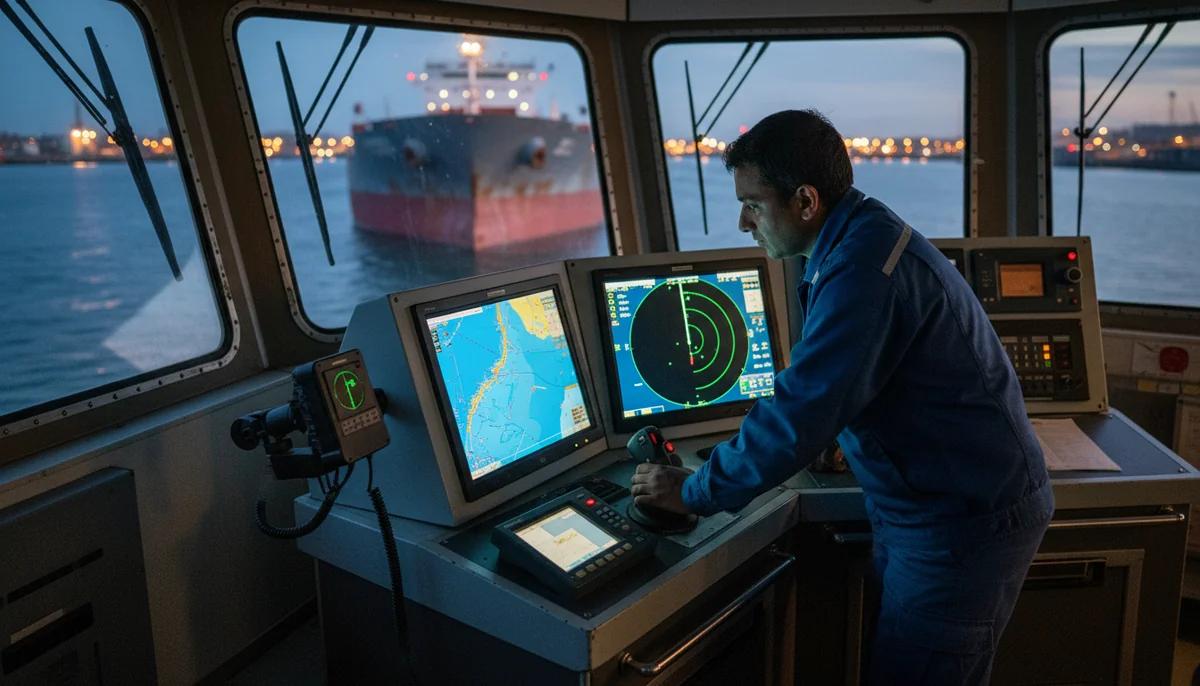
Updated: Sep 10, 2026
Share
NIGHT ORDER BOOK – MASTER’S NIGHT ORDERS AND KEY REQUIREMENTS FOR SAFE WATCHKEEPING (PART 2)
The Night Order Book is an important tool for the Master to communicate specific instructions and safety precautions to the Officers of the Watch during the vessel’s night passage. The Night Order should be regularly updated to reflect the actual voyage conditions, weather, navigational area and operational status of the vessel, while remaining consistent with the Company’s SMS and relevant OCIMF/SIRE 2.0 practices. For LPG/LNG carriers, oil tankers and chemical tankers, particular attention should be given to navigational safety, CPA/TCPA, weather conditions, navigational equipment, cargo operations and other vessel-specific risks. For LPG/LNG carriers, additional considerations may include cargo tank pressure and temperature, the reliquefaction plant, gas detection systems and cargo tank conditions.
See more


 CONTACT FOR CONSULTATION


