


Bridge Experience Sharing: Guide to export ENC updates to ECDIS
This guide provides a step-by-step procedure for exporting ENC updates from OneOcean and importing them into the JRC JAN-9201 ECDIS, including the preparation of the USB device, export of ENC update data, installation of the exchange set and verification of the ENC update status. The procedure aims to ensure that the vessel’s Master and Back-up ECDIS are properly and accurately updated with the latest ENC information, supporting safe navigation and effective chart management.
System properties:
- Software Provider : OneOcean V.2021.3.1
- Type of connection : internet data collection.
- ECDIS model : JRC JAN-9201 (Master and Back up).
Step 1 : Specify the export location.
Open ENC module -> Setup tab, in the ENC Updates Export Options panel, you can specify the export location and other export options. In this case, I am using USB Drive export option.
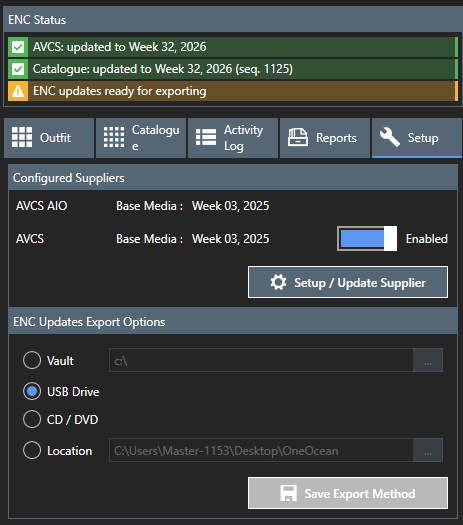
Alternative instruction : you can select an export location that's always available to the computer running OneOcean. This makes it possible for OneOcean to perform the export automatically.
Step 2: Collecting and exporting ENC updates.
- A specific USB device should be used and it’s highly recommended to be formatted prior transferring.
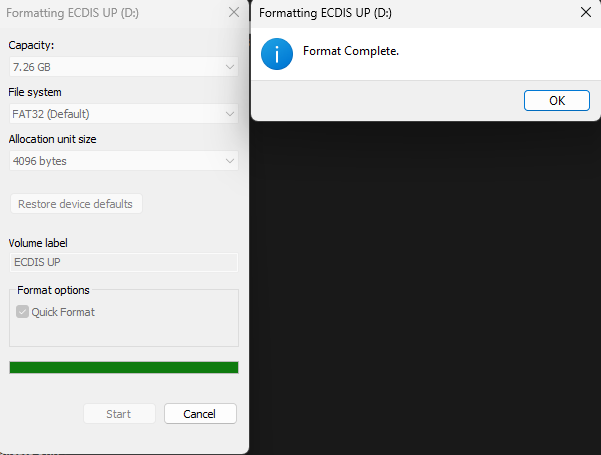
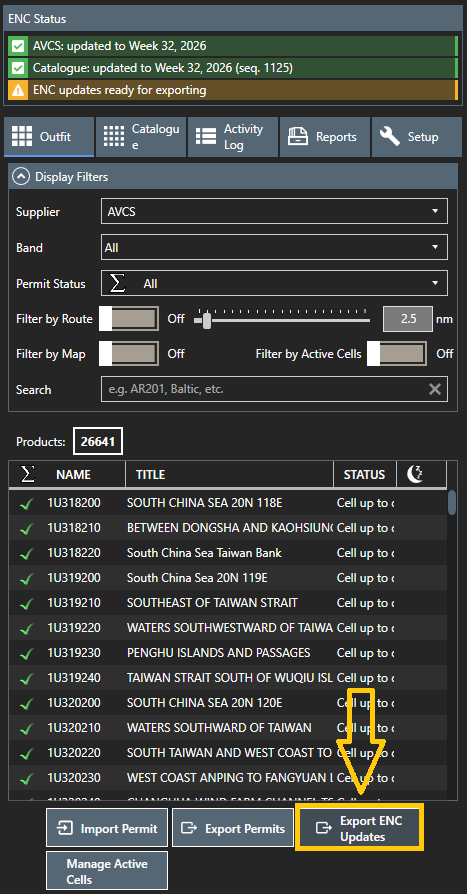
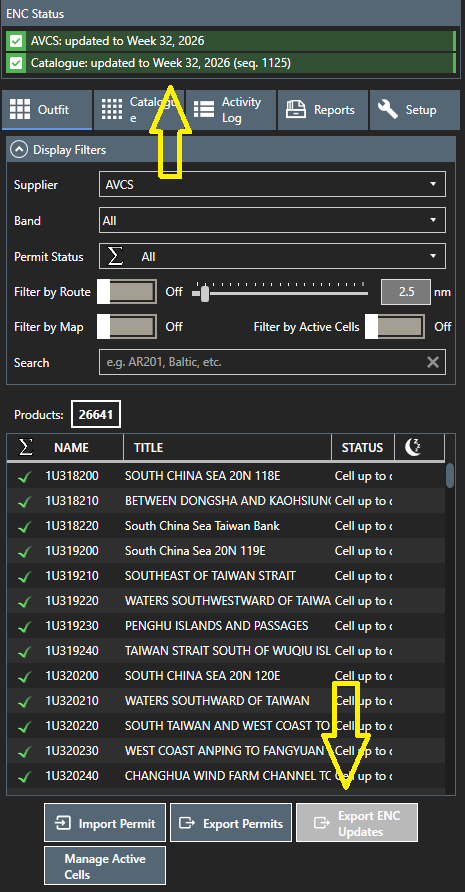
- Go to Export ENC Updates.
- Choose your location -> Next
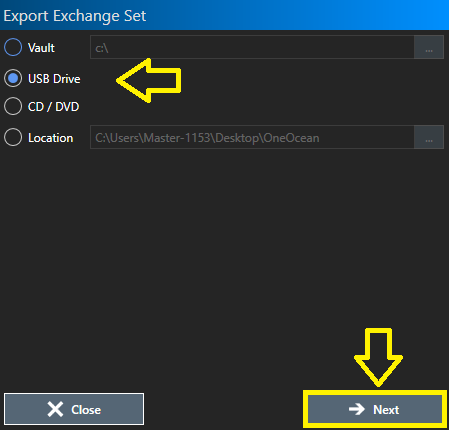
- Choose your USB device -> Next
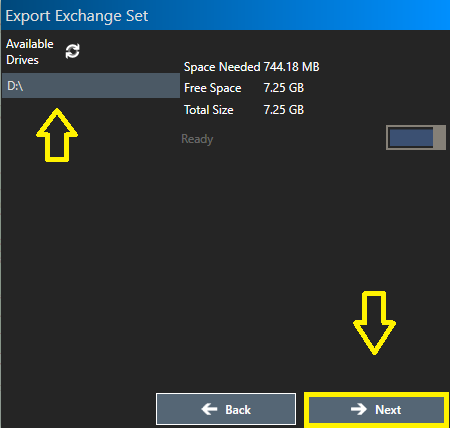
- Exporting is in progress. Transfer time depends on the data packet size
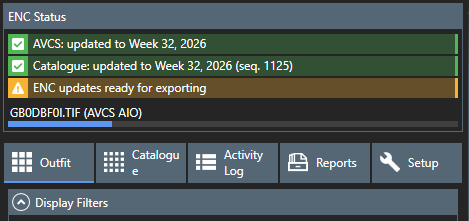
When the export is complete, OneOcean displays a message confirming that the ENC updates were transferred successfully. Click OK.
- ENC Status should be like this:
Step 3 : Importing the exchange set to ECDIS
On ECDIS, go to Menu - > Code Input
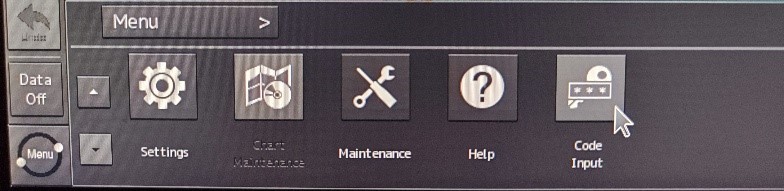
- Input code 9999 to enter Maintenance Task Menu :
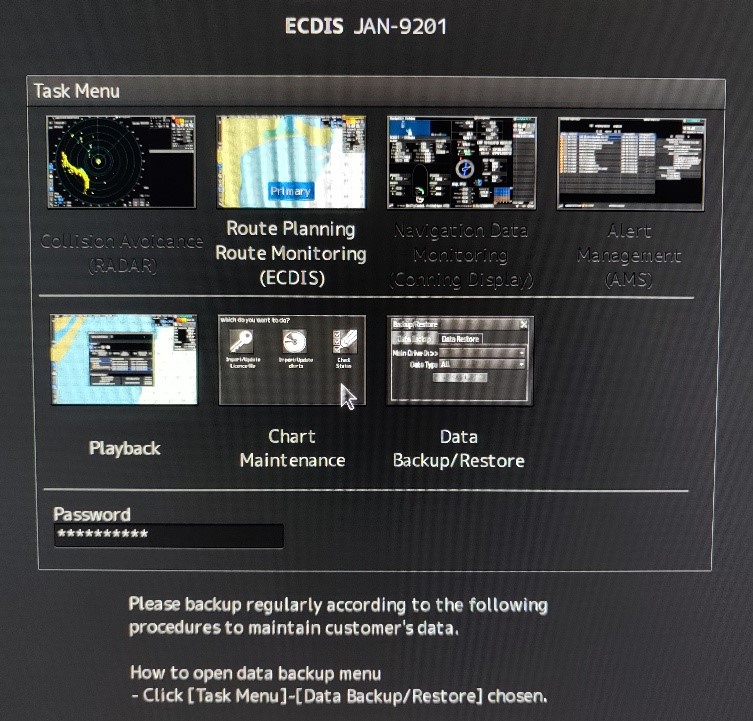
- Go to Chart Maintenance -> Import/Update License File -> ENC"
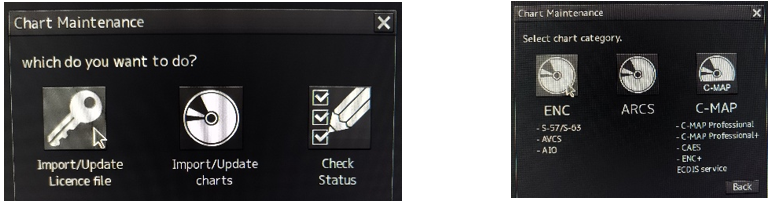 - Go to Browse/ENC Updates/Permit and choose the appropriate ECDIS type (Master ECDIS in this case).
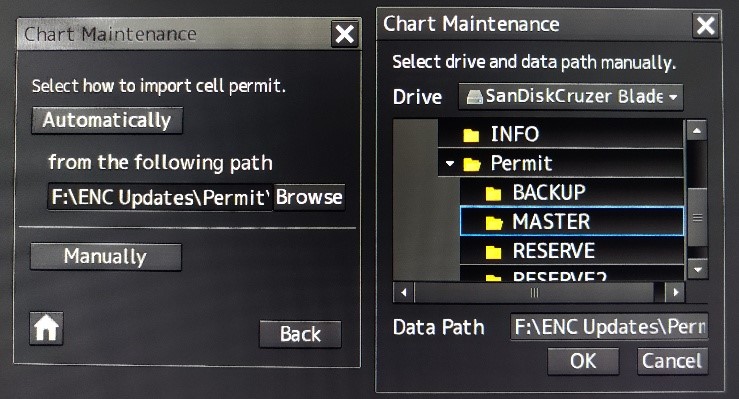 - Press Automatically. After completion, press home to go back
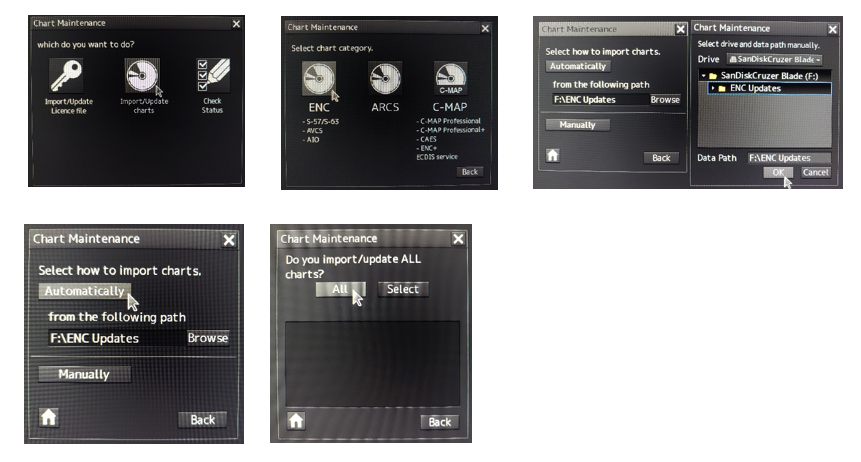
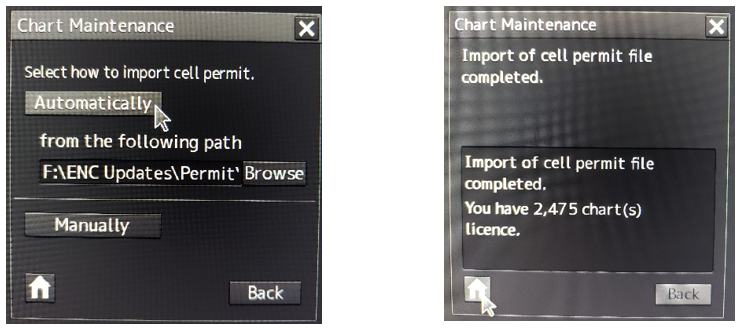 - Press Import/Update Charts -> ENC -> Choose Folder ENC Updates -> OK -> Automatically ->All
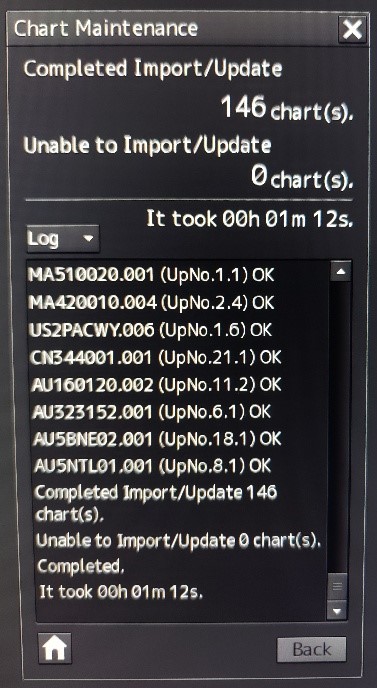
 - This is an example of a successful operation.
Step 4 : Verify the ENC Update Status.
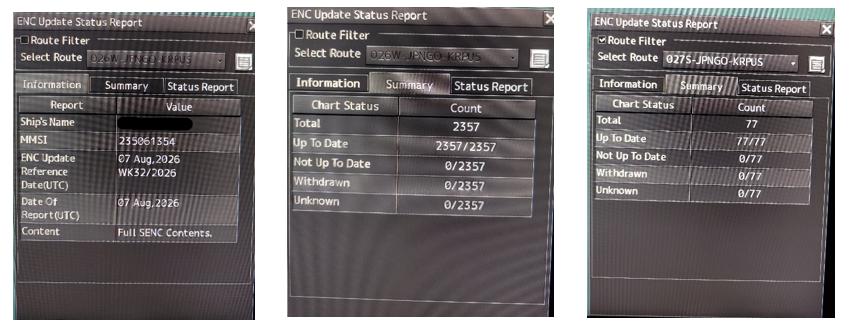
Go to Menu -> Chart -> ENC update status report
 A practical sharing from an experienced 2nd Officer of Sunrise Manpower Co., Ltd, based on his knowledge and experience gained onboard.
You might be interested

Protective Shields on Main Engines – Purpose and Differences in Installation
Protective Shields are additional safety devices fitted around the cylinder ends of some MAN B&W ME engines, particularly at Cylinder No. 1 and No. 6. Although they are not standard factory equipment, many shipowners require their installation to protect crew members from high-temperature combustion gases that may escape under abnormal cylinder pressure, especially during main engine starting. The article explains the reason for their installation and why the arrangement may differ between engines of the same type.
See more
Sunrise Manpower Co., Ltd Conducts Marine Engineering Technical Training to Enhance Engine Officers' Professional Competence
As part of its ongoing commitment to developing competent and safety-conscious marine engineers, Sunrise Manpower Co., Ltd successfully conducted a Marine Engineering Technical Training Program for engine officers. The training combined technical knowledge, practical maintenance exercises, and operational experience sharing to strengthen participants' engineering competence and promote safe and efficient engine room operations.
See more
Kinh Nghiệm Thực Tế: 7 Nguyên Nhân Chính Làm Mẻ Cánh Turbine
Mẻ cánh turbine là một trong những sự cố có thể ảnh hưởng nghiêm trọng đến hiệu suất và an toàn khai thác tàu. Bài viết phân tích 7 nguyên nhân chính gây mẻ cánh turbine, hướng dẫn nhận diện các dấu hiệu hư hỏng, xác định nguyên nhân và đề xuất biện pháp xử lý, phòng ngừa theo kinh nghiệm thực tế và khuyến cáo kỹ thuật.
See more
Night Order Book – The Master's Essential Guide for Safe Bridge Watchkeeping
The Night Order Book, also known as the Bridge Order Book, is one of the Master's most important navigational documents for ensuring safe bridge watchkeeping during nighttime operations. Although not explicitly required by the SOLAS Convention, it is developed in accordance with the STCW Code, ISM Code, and the vessel's Safety Management System (SMS). This article explains the regulatory basis, key contents, and practical implementation of the Night Order Book, highlighting its vital role in promoting effective communication between the Master and the Officer of the Watch, enhancing navigational safety, and ensuring compliance with international maritime standards.
See more
Master's Standing Orders: Essential Guidance for Safe Navigation and Bridge Watchkeeping
Master's Standing Orders provide clear instructions for bridge officers to maintain safe navigation when the Master is not on the bridge. This article summarizes the key principles, watchkeeping responsibilities, and critical situations in which the Officer of the Watch must immediately notify the Master.
See more


 CONTACT FOR CONSULTATION


